
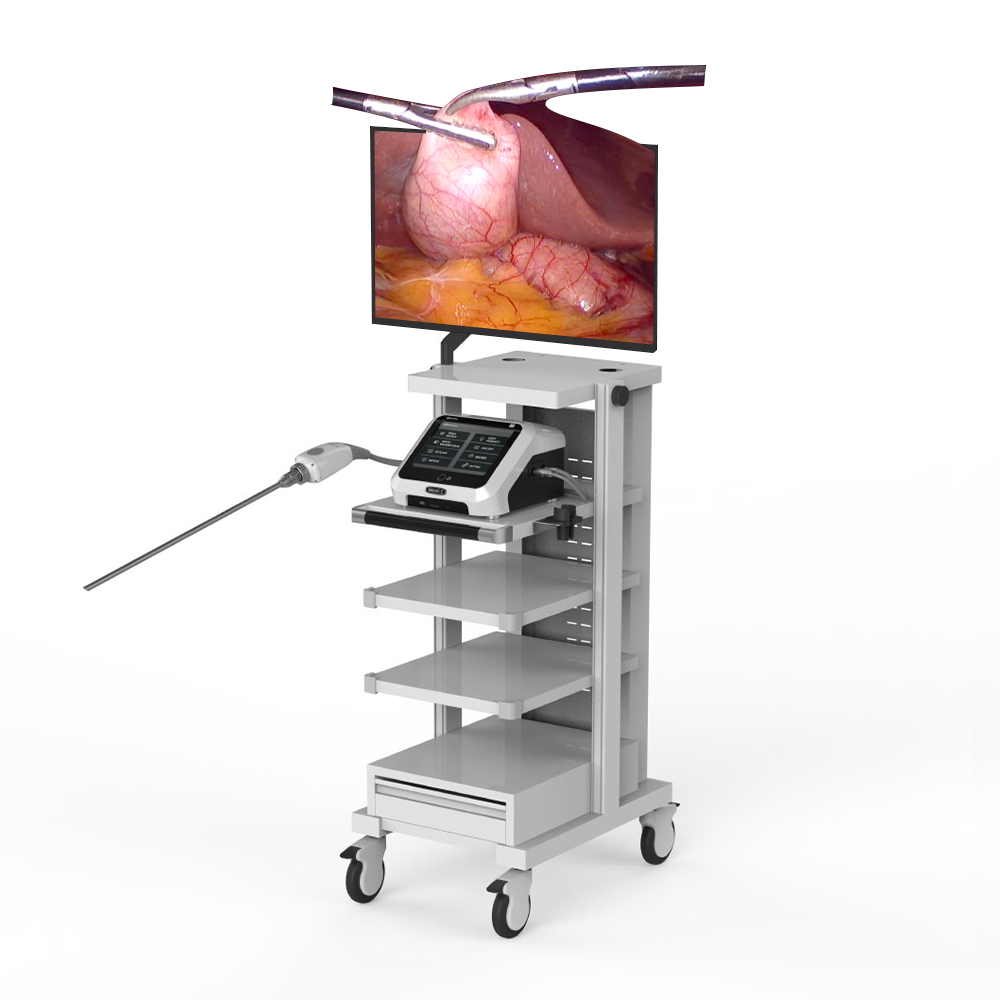

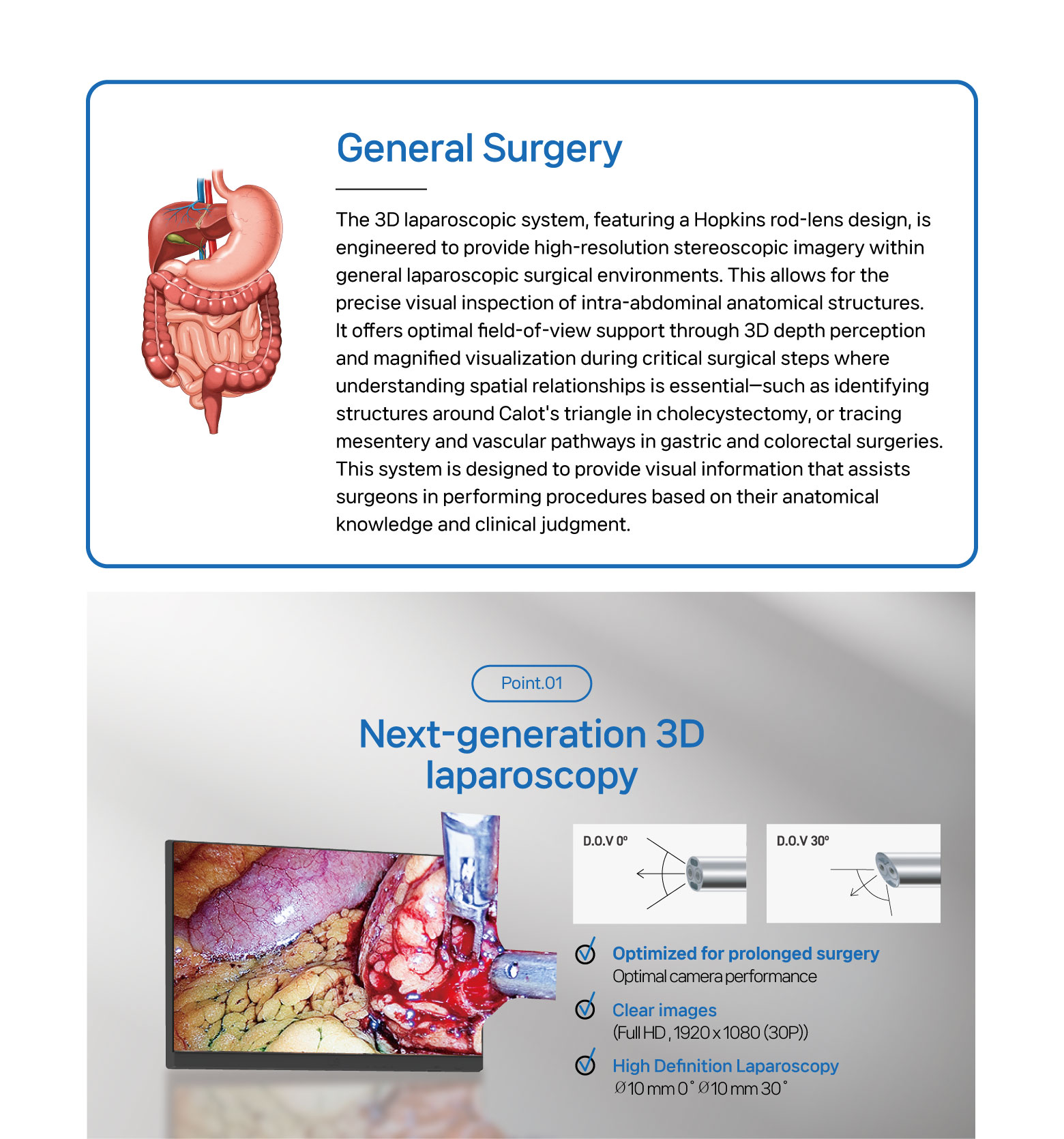
The biggest advantage of the VLS-200 is its
3D imaging, which provides a 'sense of depth'.
When surgeons
perform surgery, a three-dimensional view is essential because they deal with
the complex organs, blood vessels, and nerve structures of the human body. The distance
between tissues, the location of organs and blood vessels, and the path of
blood vessels
can be accurately perceived as if they were seen with
the eyes. 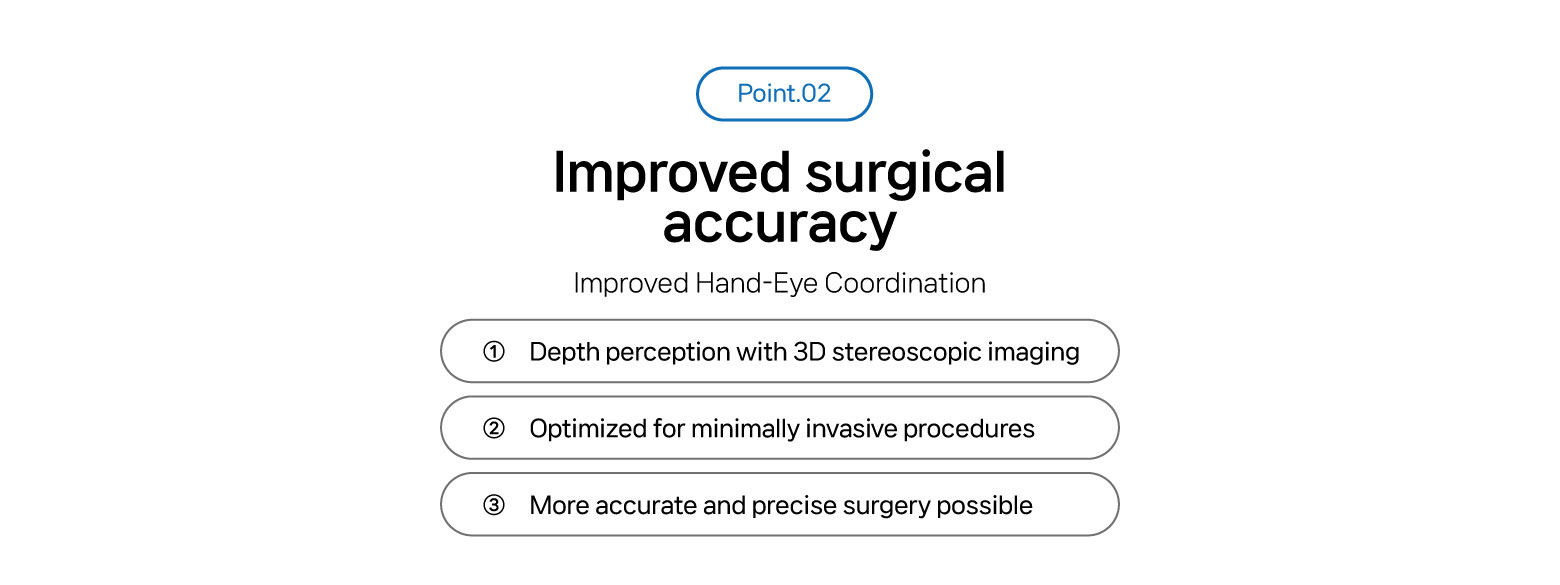
The VLS-200's 3D imaging maximizes the hand-eye coordination between what the medical
staff's eyes see and what their hands move, increasing the accuracy of surgical tool manipulation.
This reduces errors and increases surgical efficiency, especially in surgeries that require
sophistication, such as suturing, hemostasis, and dissection. Due to this, the lesion can be
removed with minimal incision without unnecessary damage to the surrounding tissue.
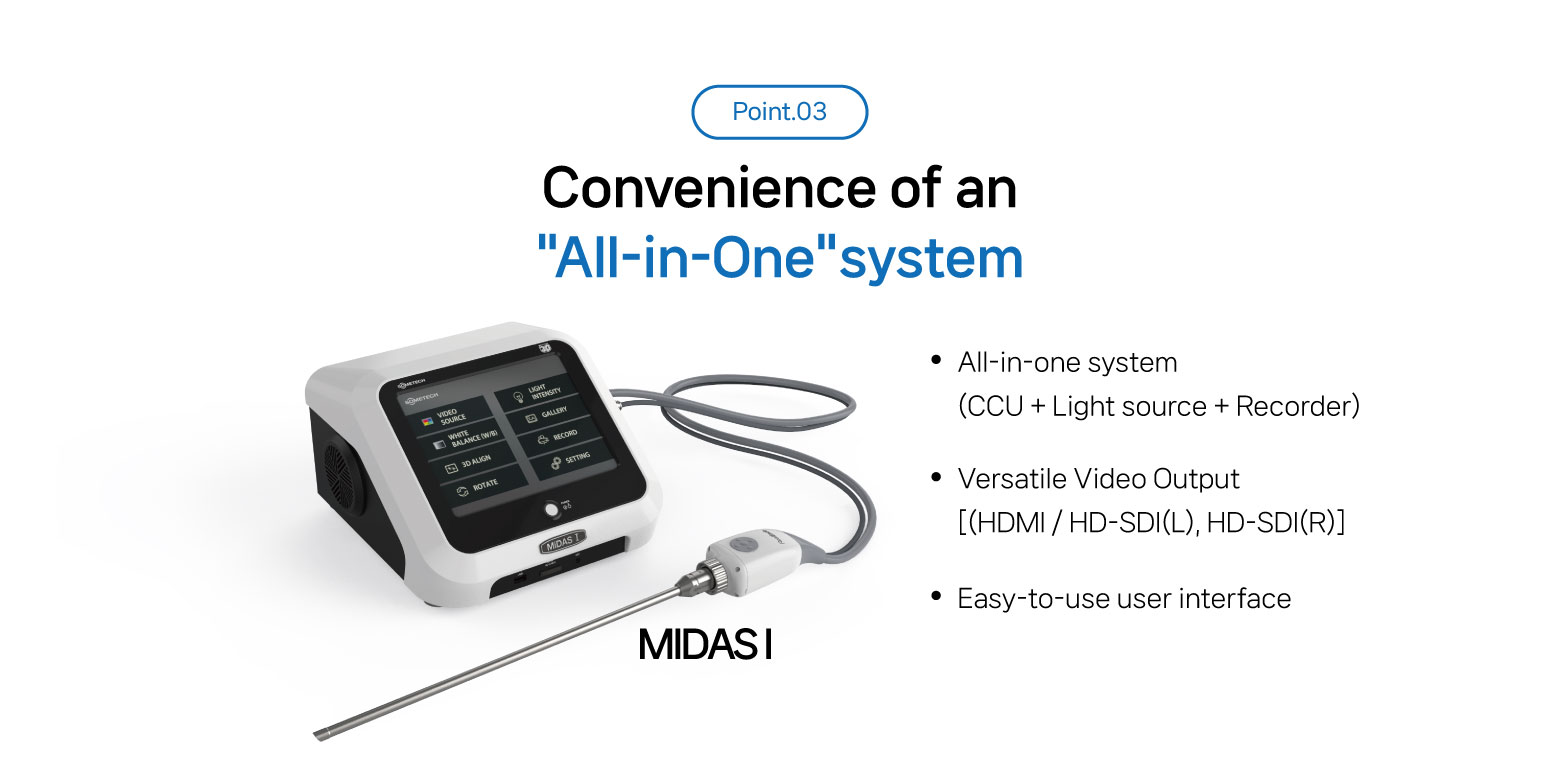
With a camera control unit (CCU), light source, and recorder
integrated into one body,
the VLS-200 reduces the hassle of equipment setup and management, resulting
in faster surgical preparation time and smoother flow.
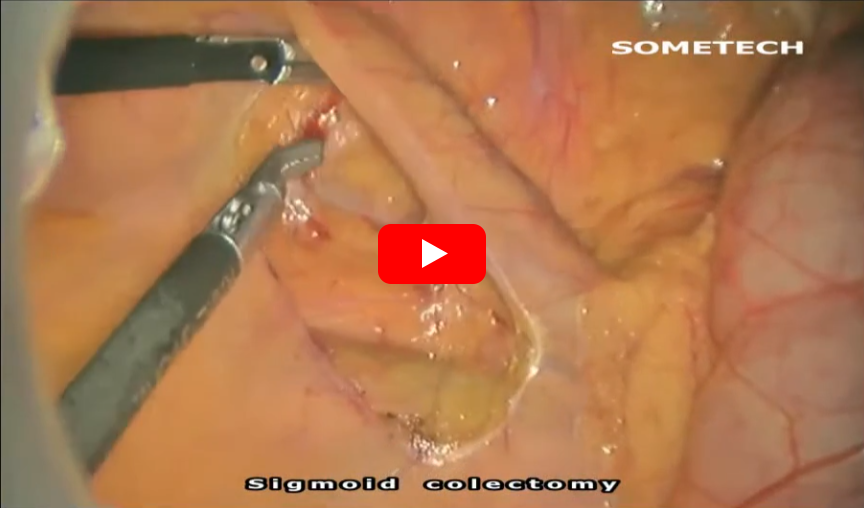
[Sigmoid Colectomy]


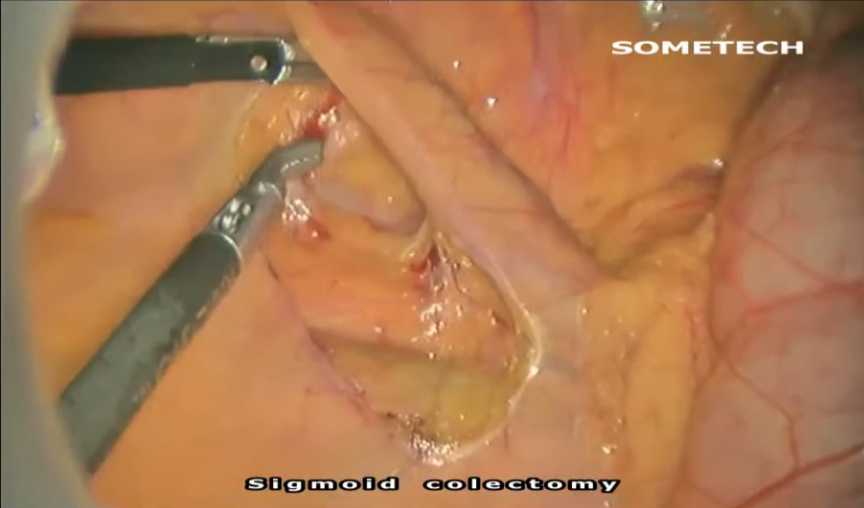
[Sigmoid Colectomy]
-
A key benefit is the provision of three-dimensional depth perception. It allows for accurate identification of the depth and location of anatomical structures, especially blood vessels and nerves, in gallbladder, liver, gastrointestinal tract, and hernia surgery. This significantly enhances the safety and accuracy of difficult surgeries that require sophisticated tissue dissection, cutting, hemostasis, and suturing.
-
Full HD resolution provides a clearer and more precise view of the microstructure and tissue texture of the surgical site. It is advantageous for clearly distinguishing the boundaries of cancer tissue or areas of inflammation during general surgery, contributing to the completeness of surgery.
-
Yes, the VLS-200 integrates a camera for body cavity imaging and a light source instrument for endoscopes. The main unit's GUI menu allows users to adjust the exposure level and exposure area, ensuring optimal illumination even in surgical environments where brightness changes rapidly due to bleeding.
-
It comes with 0-degree (direct-view) and 30-degree scopes suitable for mounting with the camera hand probe. This allows for flexible changes in the viewing angle depending on the surgical site, allowing for different approaches during surgery.
-
Yes, it can record surgical videos in Full HD 3D high definition, and the recorded video and image files can be easily transferred to an external PC via an SD card or USB port. This provides sufficient quality for utilization as educational and academic resources.
-
Most importantly, the equipment should not be used near the PACE MAKER wearer. In addition, direct viewing of the strong light from the endoscope tip or light output socket is dangerous to vision, and caution should be exercised if the endoscope tip comes into contact with skin or tissue for a long time, as there is a risk of burns.